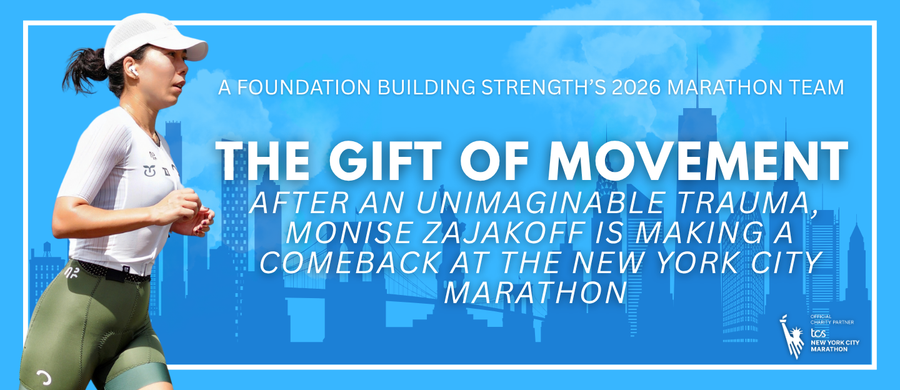
On July 1, 2024, Monise Ricciardi Oyama Zajakoff went out for a morning training run from her home in São Paulo. She was in the final days of preparation for a 15K road race, comfortable in her routine and confident in her stride. Seconds later, a driver lost consciousness at the wheel and veered directly onto the median where she was running.
The collision killed another pedestrian, a doctor named Karine, and left Monise with catastrophic injuries. Rushed to the hospital, she learned she had sustained eleven distinct fractures: four vertebrae in her spine, five ribs, her ischium, and her nose. For five grueling months, she remained confined to her home, unable to leave, forced into complete stillness.
“All I wanted was to be able to move again,” Monise recalls.
It took eight intense months of physical and psychological rehabilitation to rebuild her life. Yet this November, a little over two years after surviving that unimaginable nightmare, thirty-eight-year-old Monise won’t just be walking. She’ll be stepping to the starting line of the 2026 TCS New York City Marathon to take on the full twenty-six point two miles as a member of Team AFBS.
Running for Ceci
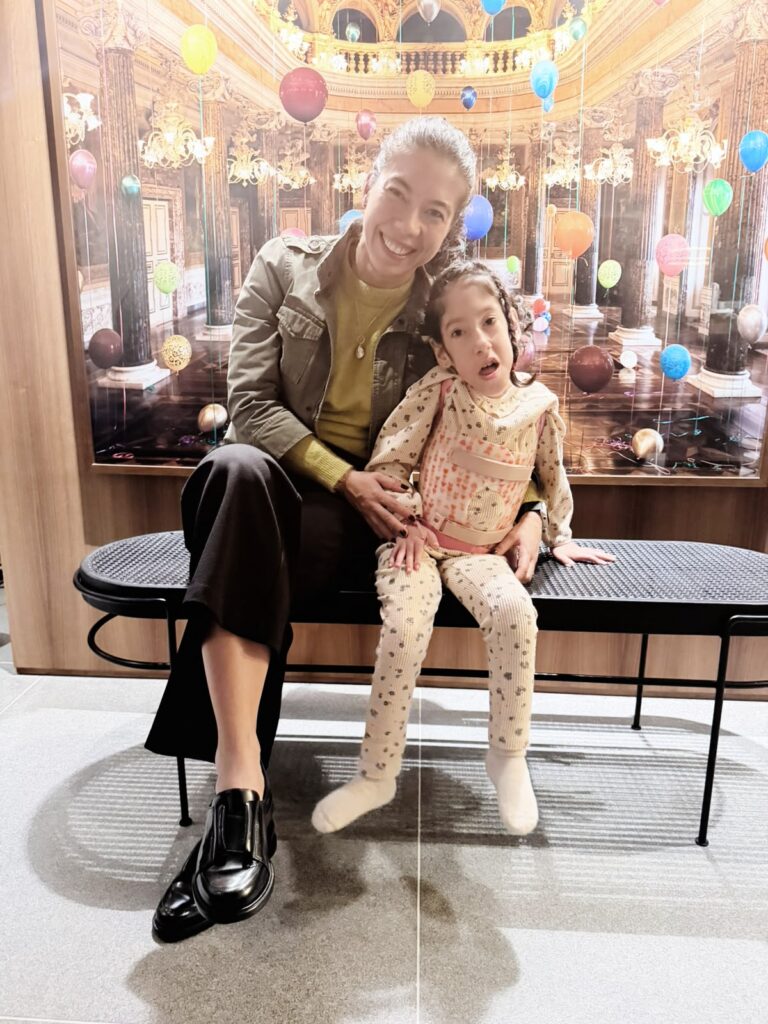
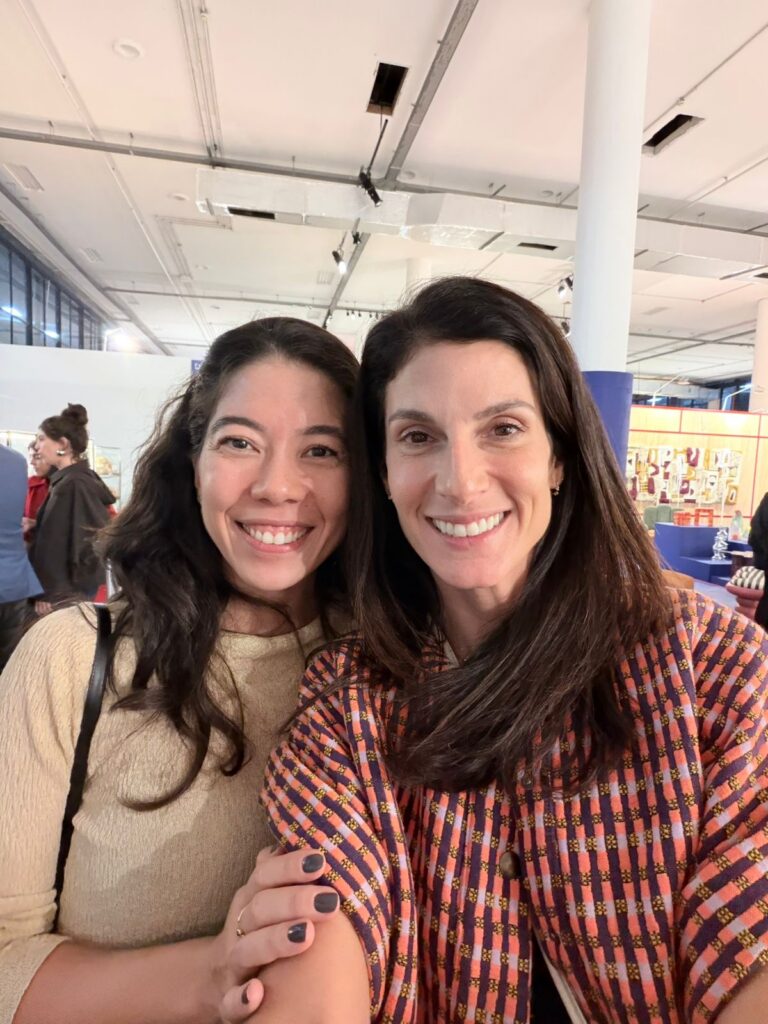
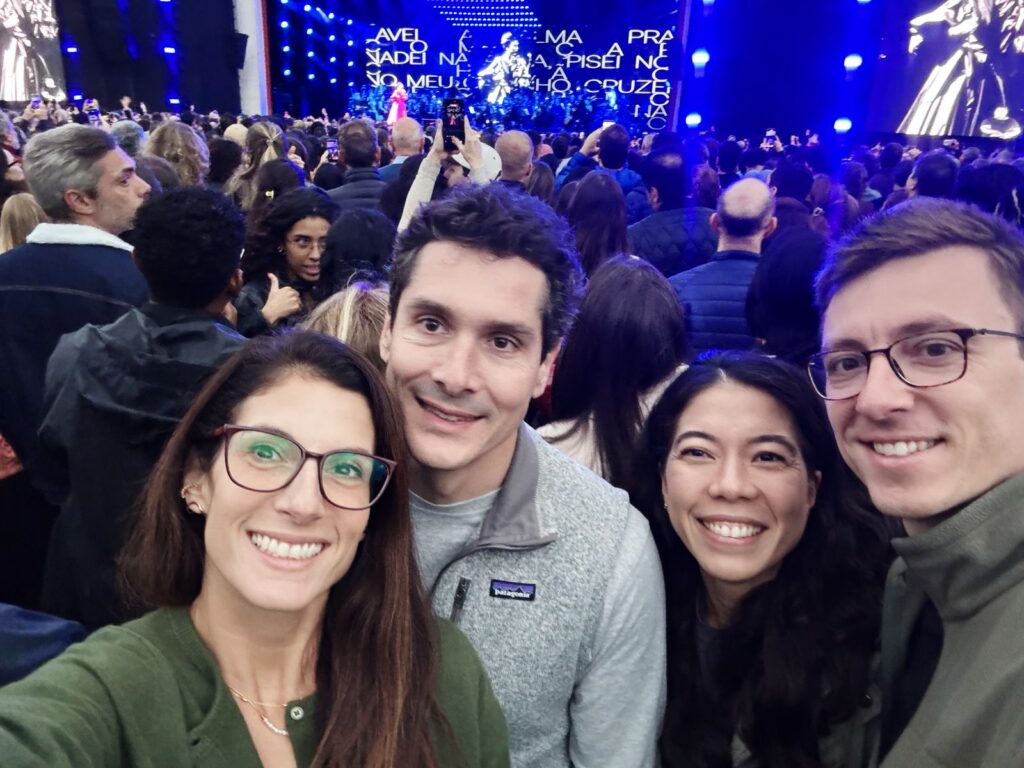
Monise isn’t running simply to mark a personal triumph over trauma. Her primary motivation centers on a young girl named Cecilia Machado, known affectionately as Ceci.
Ceci is the daughter of one of Monise’s closest friends, Leticia Machado, who serves as Board President of A Foundation Building Strength (AFBS). Ceci lives with Nemaline Myopathy (NM), a rare congenital neuromuscular disorder that disrupts the proteins responsible for muscle contraction. The genetic condition causes generalized muscle weakness throughout the body, turning basic, everyday actions like walking, breathing, and swallowing into exhausting physical battles.
Because Nemaline Myopathy is as-yet untreatable, children and adults living with the disease rely on constant physical, occupational, and respiratory therapies just to maintain functional mobility. That struggle struck a profound chord in Monise during her own recovery.
“My biggest motivation is to grow our AFBS community to advance the search for a cure for NM,” Monise says. “Running for the AFBS unites my own rehabilitation, regaining movement, with all those living with Nemaline Myopathy, a condition that specifically limits movement. I run for them, to help the organization advance its research and make their independence and dreams increasingly attainable.”
Patience and Perspective
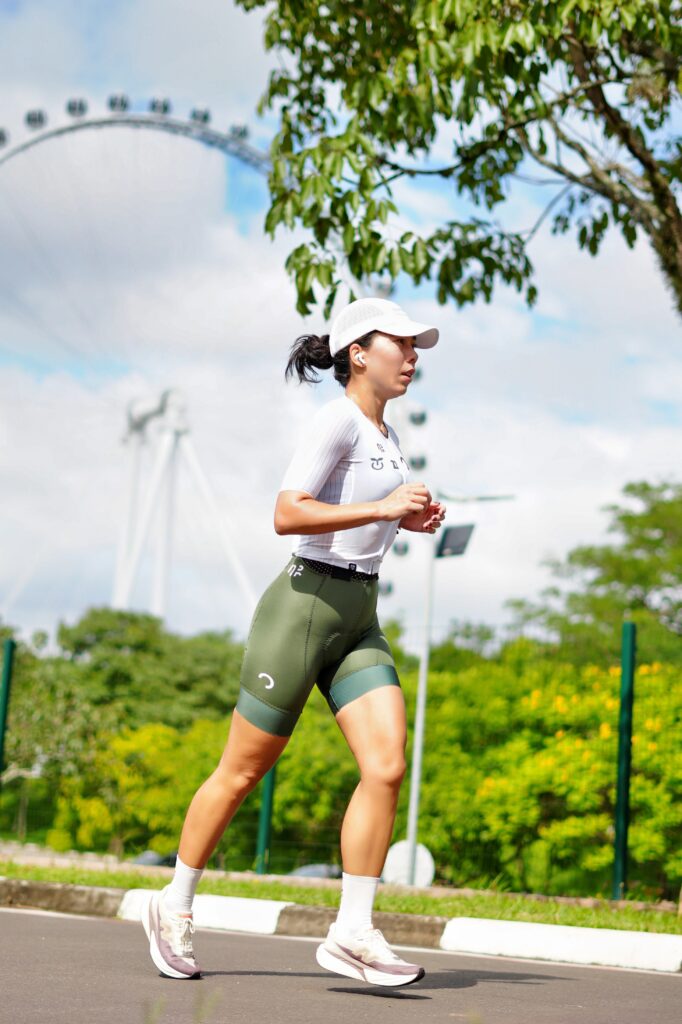
Preparing for a debut marathon after widespread skeletal trauma has required a delicate balance between ambition and caution. Early in her training cycle, Monise experienced a small tibia fracture linked to lingering biomechanical compensations from her accident.
Rather than letting it derail her spirit, she treated it as a crucial lesson in patience.
“While frustrating, it was actually really important in helping me understand my pace,” she says. “I was going faster than I should have been! I came back more mindful, and since then, progress has been moving in the right direction, injury-free and really happy with every long run I complete.”
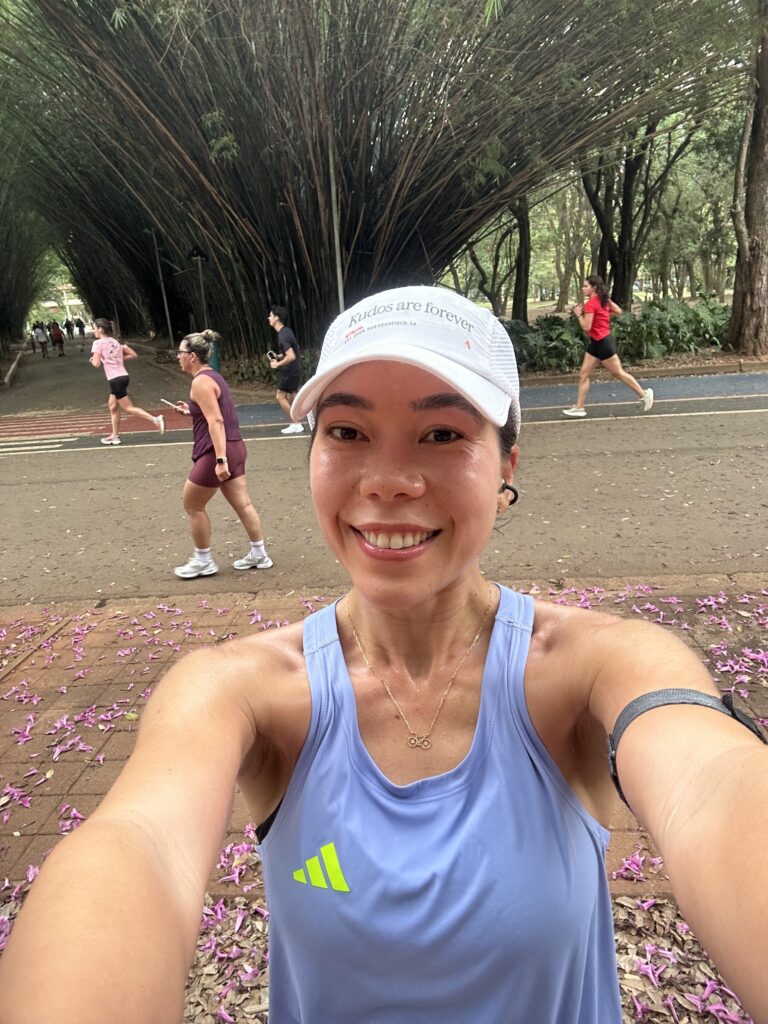
Having spent months immobilized, Monise approaches the daily grind of marathon preparation with rare gratitude. Whenever the long miles start to ache, she anchors herself in memory.
“Every time it feels hard, I remember that being able to run was exactly what I longed for back then,” she shares. “I think about that, about Ceci, about the AFBS community, and combined with all the love and support from friends, it brings a smile to my face that pushes me to run however far I need to!”
Advancing Research, One Conversation at a Time
Monise has set a loose running target of finishing around four hours, but she’s clear that a clock won’t define her race day. For her, the real victory is arriving at Central Park healthy, celebrating life, and soaking in the electric atmosphere of the city.
On the fundraising side, Monise relies heavily on personal, one-on-one outreach to share Ceci’s story and rally her network. Every dollar she raises goes straight to A Foundation Building Strength, the only non-profit foundation solely dedicated to funding scientific research into effective treatments and therapies for Nemaline Myopathy. Because rare disorders struggle to attract large pharmaceutical investments, grassroots funds raised by marathoners directly finance laboratory discoveries, preclinical models, and clinical trial readiness.
“I always say that health is everything we need in order to live the things that complete us and make us happy. And that includes movement!” Monise says. “People living with NM need research breakthroughs to improve their quality of life and to celebrate, more and more, the autonomy and movement that do us so much good.”
When Monise runs across the Verrazzano-Narrows Bridge this November, she won’t just be proving what mental strength and medical recovery can do. She’ll be carrying Ceci and the entire Nemaline Myopathy community with her, running in memory of Karine, who she thinks of as her guardian angel, and celebrating the fragile, beautiful gift of movement with every step.
Support Monise’s Journey
Help Monise reach her fundraising goal and fund crucial research for the entire Nemaline Myopathy community. You can read more about her journey and make a donation directly to her personal campaign by visiting her GoFundMe Page.
A Foundation Building Strength (AFBS) is a nonprofit organization dedicated to accelerating the development of treatments for Nemaline Myopathy. Our mission is to fund cutting-edge research to find effective treatments while providing resources and a strong community for families affected by NM. We are proud to be at the forefront of driving Nemaline Myopathy research breakthroughs forward through collaborations with research teams across the globe.
Donate to AFBS: Your monetary gift will support critical research and provide vital resources for NM families.
Stay Connected: Sign up for our email list to receive the latest updates from AFBS and learn more about NM research. Are you an individual or a caregiver of an individual affected by NM? Fill out the AFBS Contact Survey to be connected with valuable resources, support, and research opportunities! Visit our “Get Involved” page for even more ways to connect!